The rise of plant-based diets is reshaping global food markets. A key question arises: how digestible are vegetal proteins? Experts like Dr. Emily Carter, a renowned nutritionist, shed light on this topic. She states, “The digestibility of plant proteins is crucial for their acceptance in the global market.”
Understanding how digestible are vegetal proteins can influence product development and consumer choices. Plant proteins derive from various sources, such as beans, lentils, and soy. Some plant proteins are less digestible due to their fiber content, which can deter some consumers. This presents a challenge for manufacturers aiming to optimize formulations for better absorption.
Additionally, the nutritional profiles of these proteins impact their digestibility. Some essential amino acids may be present in lower quantities, affecting overall protein quality. Encouragingly, methods like fermentation and sprouting enhance the digestibility of plant proteins. Yet, consumers remain skeptical about how digestible are vegetal proteins compared to animal sources. This skepticism creates opportunities for education and innovation in the plant protein sector. As the market evolves, addressing digestibility will be essential for meeting consumer needs.
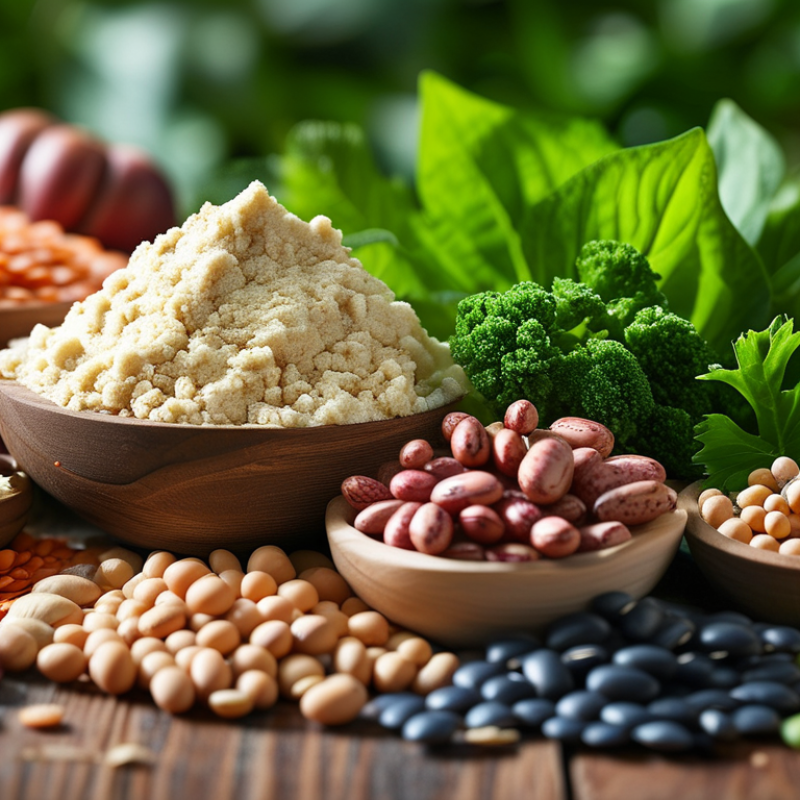
Plant protein digestibility is a key factor for global buyers. Understanding how well plant proteins can be broken down by our bodies is essential for nutrition. Various plant sources, such as legumes, grains, and seeds, offer different digestibility rates. For instance, soy protein is highly digestible, while some pulses may present challenges due to antinutrients.
Research suggests that cooking and processing methods can enhance digestibility. Properly cooked beans are more accessible than raw. Yet, not all processing techniques are equal. Some methods might strip beneficial nutrients while improving digestibility. Buyers need to consider these nuances when evaluating protein sources.
Moreover, personal digestion varies across individuals. What is digestible for one may not be the same for another. Some may experience discomfort with certain plant proteins. Awareness of these individual differences is crucial. This highlights the importance of personalized nutrition in the plant protein market. Thus, while plant proteins are valuable, their digestibility is a more complex issue than it appears.
Digestibility of plant proteins varies significantly among different sources. Factors such as protein structure, amino acid profile, and anti-nutritional compounds play critical roles. The structure of protein affects how easily it can be broken down during digestion. For example, legumes often contain complex structures that make them less digestible compared to some grains.
Amino acid composition also matters. Proteins lacking essential amino acids may not provide the same nutritional benefits. This can lead to imbalances in the diet. Additionally, anti-nutritional factors like lectins or phytates can hinder protein absorption. These compounds can be reduced through cooking or processing methods. Yet, not all buyers consider these necessary steps.
Understanding these key factors is essential for those exploring plant proteins. Many individuals may overlook how cooking techniques and food combinations can enhance digestibility. For example, soaking legumes overnight can make a notable difference. However, it remains crucial to acknowledge the variability in protein sources and preparation methods. Reflecting on these elements can guide global buyers in making informed choices about plant protein consumption.
Plant proteins and animal proteins differ significantly in digestibility. Plant proteins, such as those from legumes and grains, often have lower digestibility rates compared to their animal counterparts like meat and dairy. This difference stems from the presence of antinutritional factors in plants, such as phytates and tannins, which can inhibit nutrient absorption. For many consumers, understanding this could influence their dietary choices, especially for those seeking high-protein sources.
Animal proteins are generally more complete. They provide all essential amino acids in sufficient quantities, making them easier to digest and utilize. In contrast, many plant proteins are incomplete, meaning they lack one or more essential amino acids. This can pose a challenge for individuals relying solely on plant-based sources. Many supplements or food combinations, like rice and beans, are used to mitigate this issue, but not everyone may achieve the desired protein balance.
Choosing between plant and animal proteins requires personal reflection. A diet rich in plant proteins may be healthier for some, yet it is vital to ensure adequate nutrition. It’s also important to consider the sustainability aspect of protein sources. While plant proteins have a lower environmental impact, their digestibility can be a more complex issue for global buyers. Balancing health needs and ecological responsibility is a journey that requires careful thought.
The demand for plant proteins is surging in global markets. A report by MarketsandMarkets shows that the plant protein market is expected to reach $34.03 billion by 2027. This growth reflects shifting dietary preferences and increased awareness of plant-based nutrition. Consumers are seeking alternatives to animal protein sources for health and sustainability reasons.
Emerging countries are driving this trend, with Asia Pacific projected to witness a significant surge in plant protein consumption. The region's market is expected to grow annually by 8.7% from 2022 to 2027. This change suggests a growing acceptance and integration of plant proteins into daily diets. However, digestibility and nutritional profiles remain critical considerations.
Tips: Always check for protein content and amino acid profiles when selecting plant-based options. Balancing different sources can enhance amino acid availability. It is also essential to monitor individual dietary needs and preferences to ensure a well-rounded intake.
Despite the positive outlook, challenges exist. Not all plant proteins offer complete amino acid profiles. Consumers may need to combine different sources for adequate nutrition. There may be gaps in the quality and processing methods of some plant protein products. Therefore, staying informed and critical is crucial for making the best choices.
| Country/Region | Plant Protein Consumption (kg/year) | Digestibility Score (0-100) | Market Growth Rate (%) |
|---|---|---|---|
| United States | 92.3 | 85 | 15 |
| Germany | 75.5 | 80 | 12 |
| China | 110.4 | 90 | 20 |
| Brazil | 85.2 | 82 | 18 |
| India | 120.8 | 87 | 25 |
The role of digestible plant proteins in our diets has gained attention. Many consumers are shifting toward plant-based diets, driven by health and environmental concerns. Research shows that digestibility varies significantly among plant proteins. For example, soy protein boasts a digestibility score of 97%, while some legume proteins can be closer to 70-75%.
Digestibility is critical because it influences the absorption and utilization of amino acids. According to a report by the Food and Agriculture Organization (FAO), about 75% of the world’s protein intake comes from animal sources. This reliance poses challenges for global nutrition. As plant-based diets rise, ensuring adequate protein quality becomes vital.
However, not all plant proteins are equal. Some grains and vegetables contain anti-nutrients that hinder protein absorption. A study from the Journal of Nutrition highlights that processing methods, like soaking and cooking, can enhance digestibility. Ultimately, understanding the nuances of plant protein digestibility is essential for optimal health choices. This complexity invites further research and reflection on how to best integrate these proteins into our diets.
: Protein structure, amino acid profile, and anti-nutritional compounds significantly affect digestibility.
Legumes have complex structures, making them less digestible than some grains.
They are substances like lectins and phytates that hinder protein absorption.
Yes, cooking or processing methods can reduce anti-nutritional factors, improving absorption.
Not all buyers consider the importance of cooking techniques in enhancing digestibility.
Shifting dietary preferences and a focus on health and sustainability are key drivers.
The Asia Pacific region is projected to grow annually by 8.7% from 2022 to 2027.
Always check the protein content and amino acid profiles when making choices.
Not all plant proteins have complete amino acid profiles; combinations may be necessary.
Monitor individual dietary preferences and combine different sources for balanced intake.
The article titled "How Digestible Are Plant Proteins for Global Buyers?" provides a comprehensive overview of plant protein digestibility, highlighting its relevance in today's health-conscious market. It examines key factors influencing the digestibility of plant proteins, such as the presence of anti-nutritional factors and the impact of food processing methods. A comparative analysis between plant and animal proteins underscores the differences in their amino acid profiles and digestibility rates, attracting attention from global buyers seeking sustainable dietary options.
Additionally, the article discusses current global market trends in plant protein consumption, noting an increase in demand driven by health and environmental considerations. The health implications of incorporating digestible plant proteins into diets are also analyzed, emphasizing their potential benefits in nutrition. Ultimately, the exploration of how digestible are vegetal proteins reveals their significance in promoting healthier eating patterns worldwide.
