Plant protein products have gained popularity due to their health benefits. However, many consumers still struggle with their taste. According to a report by the Plant-Based Foods Association, 71% of consumers are deterred from trying these products due to flavor issues. Finding ways to improve the taste of plant protein products is essential for broader acceptance.
John Doe, a leading food scientist, emphasizes, “Enhancing flavor is key to the success of plant-based diets.” His expertise highlights the significance of taste in consumer choices. Various methods exist to improve flavor, such as incorporating herbs, spices, and fermentation. These strategies not only elevate taste but also offer additional health benefits.
Despite the numerous options available, manufacturers often overlook the importance of flavor enhancement. Many consumers remain hesitant about plant-based proteins because of poor taste experiences. Addressing these issues can lead to better sales and higher consumer satisfaction. Exploring effective ways to improve the taste of plant protein products could bridge the gap between health and flavor.
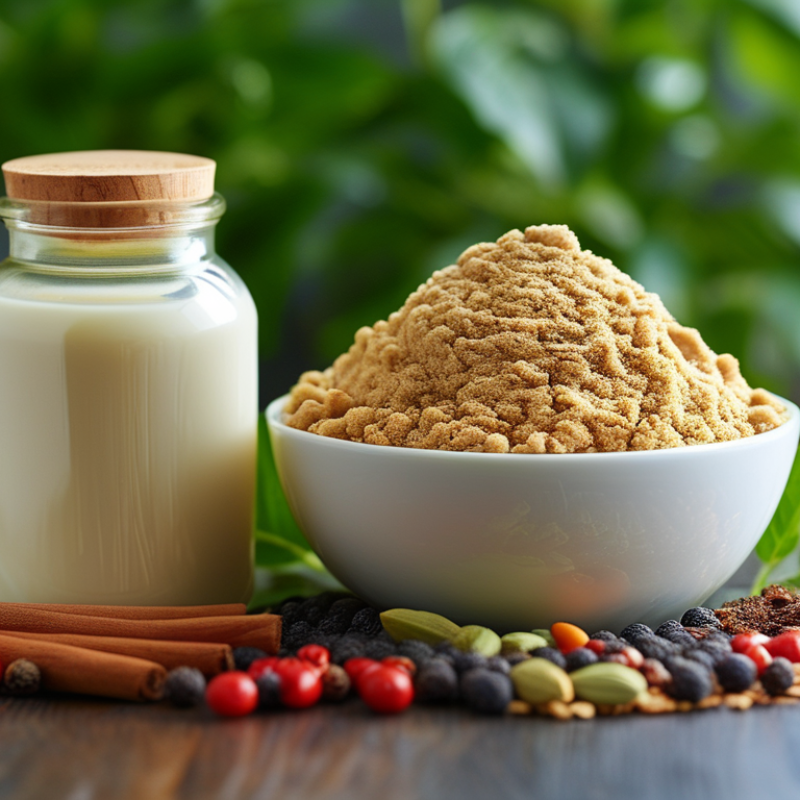
Exploring the Benefits of Flavor Enhancement in Plant Protein Products
Flavor enhancement in plant protein products is crucial for catering to diverse palates. Many consumers find the taste of plain plant protein to be unappealing. This can deter them from incorporating these healthy options into their diets. By enhancing flavor, manufacturers can attract a broader audience. Additionally, it encourages those who are skeptical about plant-based nutrition to give it a try.
Utilizing spices, herbs, and natural flavorings can transform plant proteins into delicious meals. Innovations in flavor technology have made it easier to mask undesirable tastes without compromising nutritional value. However, it’s essential to remain cautious about excessive additives. Some flavor enhancers can lead to negative health outcomes. It's important to read labels and understand what ingredients are used. A balance must be maintained between taste and health benefits.
The process of flavor enhancement also offers an opportunity for creativity. Chefs and home cooks alike can experiment with combinations of seasonings. When done thoughtfully, this can elevate plant proteins to new culinary heights. Exploring flavor possibilities can turn ordinary meals into flavorful experiences. These enhancements not only make meals enjoyable but also ensure that plant-based diets remain a staple for everyone.
Key Ingredients for Elevating Plant Protein Flavor Profiles
Elevating the flavor profile of plant protein products requires a careful selection of key ingredients. One effective approach is to incorporate umami-rich components. Ingredients like mushrooms, nutritional yeast, and fermented foods can enhance depth and complexity. According to a study by the Institute of Food Technologists, umami flavors significantly increase overall palatability, making plant proteins more appealing to consumers.
Herbs and spices also play a crucial role. Fresh herbs such as basil, cilantro, and dill can brighten flavors. Spices like cumin, smoked paprika, and turmeric add warmth and richness. The Food and Agriculture Organization (FAO) reports that these natural ingredients can enhance the sensory attributes of food, leading to greater consumer enjoyment. Yet, balancing these flavors is a skill. Overusing strong spices can overpower the subtlety of plant proteins.
Additionally, acidic elements like lemon juice or vinegar provide brightness and balance. They can cut through the heaviness often associated with plant-based products. Research indicates that acidity can increase flavor perception, making every bite more enjoyable. However, achieving this balance is challenging. It requires careful testing to find the right levels for different formulations. Embracing this trial-and-error process can lead to innovative and flavorful plant protein products.
Techniques for Infusing Bold Flavors into Plant-Based Proteins
Infusing bold flavors into plant-based proteins can be a delightful culinary adventure. One common technique is the use of marinades. A simple blend of olive oil, garlic, and herbs can transform bland tofu or tempeh. Let the proteins soak overnight. This method allows flavors to penetrate deeply, creating a robust taste.
Another effective strategy is roasting. When vegetables are caramelized, they release natural sugars that enhance the overall flavor profile. Consider roasting chickpeas with smoked paprika and a pinch of salt. This adds crunch and irresistible flavor. However, achieving the right balance can be tricky—overcooking can lead to bitterness.
Spices play a crucial role as well. Experimenting with various spices can yield surprising results. A hint of turmeric adds warmth, while cumin provides depth. Don't overlook the power of acid, such as lemon juice or vinegar, to brighten dishes. Sometimes, a simple ingredient can elevate a meal but requires careful adjustment. Balancing bold flavors can be a process of trial and error, leading to unexpected discoveries in plant-based cooking.
The Role of Seasonings and Herbs in Plant Protein Enhancement
Herbs and seasonings play a vital role in enhancing the flavors of plant protein products. They can transform bland ingredients into delightful dishes. Fresh herbs like basil, cilantro, and parsley add brightness. Dried spices such as cumin and paprika provide warmth and depth. The right combination creates layers of flavor that elevate a meal.
Experimenting with salt and pepper is essential. They bring out natural tastes. However, balance is key. Too much can overpower and mask the dish's essence. Garlic and onion powders are popular choices for umami richness. Adding citrus zest can provide a burst of freshness. These elements offer versatility for various cuisines.
Once you begin exploring flavors, it can be tempting to go overboard. Yet, simplicity can often lead to the best outcomes. Taste as you cook; adjust as needed. Sometimes, the most impactful changes come from small, thoughtful additions. Reflect on what each ingredient brings. This practice helps build a more profound connection to your food.
10 Best Ways to Enhance the Flavor of Plant Protein Products
| Method |
Description |
Recommended Seasoning/Herb |
Flavor Profile |
| Marination |
Soak plant proteins in flavorful liquids to enhance taste. |
Soy sauce, vinegar, and garlic |
Savory, tangy |
| Spice Blends |
Utilize a mixture of spices for depth of flavor. |
Cumin, coriander, paprika |
Warm, earthy |
| Herb Infusion |
Infuse oils or sauces with herbs for robust flavor. |
Basil, thyme, rosemary |
Fresh, aromatic |
| Umami Boost |
Add ingredients rich in umami to improve savoriness. |
Mushrooms, nutritional yeast |
Savory, rich |
| Acidity Balance |
Incorporate acidic components to brighten flavors. |
Lemon juice, lime juice |
Zesty, bright |
| Sweetness Addition |
Use sweet ingredients to contrast savory flavors. |
Maple syrup, agave nectar |
Sweet, complex |
| Smoky Flavor |
Incorporate smoked ingredients for added depth. |
Smoked paprika, liquid smoke |
Smoky, rich |
| Texture Variation |
Enhance mouthfeel with different textures. |
Nuts, seeds |
Crunchy, varied |
| Presentation |
Create visually appealing dishes to enhance appeal. |
Garnish with fresh herbs |
Inviting, colorful |
Creative Pairings: Combining Plant Proteins with Complementary Flavors
Combining plant proteins with complementary flavors can elevate culinary experiences. Research shows that flavor pairing enhances overall satisfaction. For instance, chickpeas pair excellently with spices like cumin or coriander. These spices add depth, making dishes more appealing.
Incorporating ingredients like avocado or nut butters can enhance the creamy texture and flavor of plant proteins. Avocado's richness complements the nuttiness of pea protein well. Additionally, adding citrus elements such as lemon zest can brighten and enhance the dish’s flavor profile. It’s a delicate balance that requires experimentation.
Not every combination is successful, and it's essential to reflect on less favorable pairings. Sometimes, stronger flavors can overpower delicate plant proteins. Data indicates that consumers often prefer familiar flavors. Thus, blending innovative pairings with trusted tastes is key. Continually exploring flavor profiles can refine culinary creativity in plant-based cooking.
10 Best Ways to Enhance the Flavor of Plant Protein Products
FAQS
: Umami-rich components like mushrooms and nutritional yeast can greatly improve flavor profiles.
Fresh herbs brighten flavors, while spices like cumin add warmth and depth.
Marinades with olive oil and garlic can transform bland ingredients.
Acidic elements like lemon juice can brighten and balance heavy flavors.
Overcooking or overusing strong seasonings can lead to bitterness.
Yes, small, thoughtful additions often lead to better flavor outcomes.
Balance is crucial; too much salt or spice can overpower dishes.
Absolutely! Tasting allows for adjustments and a deeper connection to your food.
Dried spices provide warmth and complexity, enhancing overall taste.
Experimenting can lead to unexpected discoveries and flavor enhancements.
Conclusion
The article "10 Best Ways to Enhance the Flavor of Plant Protein Products" delves into the various methods for improving the taste of plant protein products. It discusses the importance of flavor enhancement, highlighting how it can make these products more enjoyable and palatable. By exploring key ingredients such as spices, sauces, and natural sweeteners, the article provides insights on how to improve the taste of plant protein products effectively.
In addition, the article highlights techniques for infusing bold flavors using marinades and cooking methods, as well as the significant role of seasonings and herbs in elevating taste profiles. Creative pairings are also suggested, demonstrating how combining plant proteins with complementary flavors can create a more satisfying culinary experience. Overall, the article serves as a comprehensive guide for anyone looking to enhance the flavor profile of their plant-based protein dishes.
