10 Best Plant Proteins for Sports Nutrition Buyers?

Time:2026-10-13 Author:Aria
0%

Choosing plant proteins for sports nutrition requires more than comparing protein grams on a label. Athletes need dependable nutrition, practical preparation, and products that suit their training demands. This guide examines 10 best plant proteins for sports nutrition buyers, including pea, soy, rice, hemp, pumpkin seed, and fava bean protein.

What role do vegetal proteins play in sports nutrition? They can support daily protein intake, muscle recovery, and dietary variety when used within a balanced eating plan. Their amino acid profiles differ, and some contain less leucine or fewer essential amino acids than dairy-based proteins. Combining sources may improve nutritional coverage, but it does not remove the need for sensible portions and total dietary planning.

Real-world buying decisions also involve texture, digestibility, allergen information, sustainability claims, and price. A powder that mixes smoothly after training may suit one athlete better than a premium product with a gritty finish. Soy can offer complete protein, while pea and rice blends may provide a useful complementary profile. Individual tolerance still matters.

There is no universal winner. Evidence can guide selection, yet personal experience remains important. Some marketing language sounds scientific without providing meaningful proof. Buyers should check independent testing, clear ingredient lists, and credible quality controls. This overview aims to separate practical value from fashionable claims, while acknowledging an uncomfortable point: plant protein products are not automatically healthy, ethical, or effective simply because their ingredients come from plants.
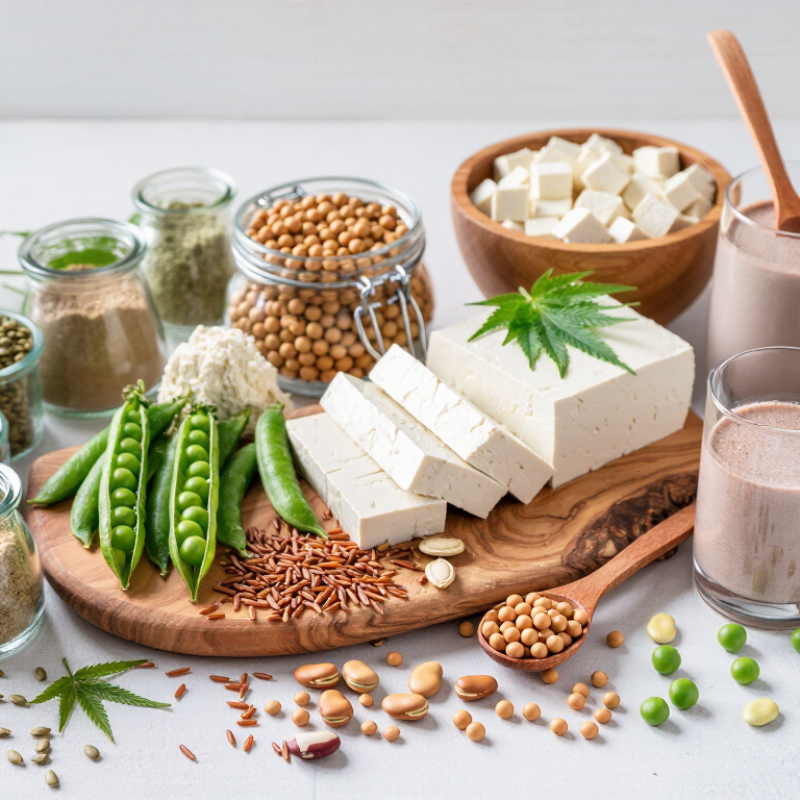
10 Best Plant Proteins for Sports Nutrition Buyers?

What Are Plant Proteins and Why Do Athletes Need Them?

Plant proteins come from foods such as beans, lentils, peas, soy, grains, nuts, and seeds. They provide amino acids, the building blocks used to repair muscle tissue and support training adaptation.

Athletes need enough protein because hard sessions create repeated repair demands. Protein also supports enzymes, hormones, immune function, and muscle maintenance during calorie deficits.

A practical target often falls between 1.2 and 2.0 grams per kilogram of body weight daily, depending on training load and personal goals. Individual needs vary.

Some plant proteins contain less leucine or fewer essential amino acids per serving than many animal proteins. This does not make them ineffective. Combining foods can help, such as rice with beans or oats with soy milk.

Timing matters. A meal containing 25 to 40 grams of protein after training may support recovery, especially when the daily total is adequate.

Check the label for serving size, protein amount, added sugar, and unnecessary stimulants. Simple details matter.

Digestion can be a challenge. Some athletes experience bloating from large portions of beans or certain protein powders. Start with smaller servings, drink enough water, and increase fiber gradually.

I would not treat every plant protein as interchangeable. Nutrient quality, amino acid balance, preparation, and personal tolerance all deserve attention. More protein is not automatically better. Performance plans need adjustment, not perfection.

How to Evaluate Plant Proteins for Sports Nutrition

Choosing plant proteins for sports nutrition requires more than checking the protein number on a label. The International Society of Sports Nutrition recommends about 1.4–2.0 grams of protein per kilogram of body weight daily for active adults. It also recognizes 20–40 grams per serving as a practical range. Buyers should examine amino acid data, especially leucine, which supports muscle protein synthesis. Pea, soy, potato, and fava proteins often provide stronger amino acid profiles than many grain proteins.

Digestibility matters too. The FAO’s 2013 protein-quality report introduced DIAAS as a more useful assessment than older protein scores. Ask suppliers for DIAAS results, digestibility testing, and clear amino acid profiles. A protein powder may contain 25 grams of protein, yet deliver less usable value after processing. Check the method. Wet extraction, dry concentration, and fermentation can change texture, solubility, and nutritional performance.

Taste still decides repeat purchases. Test each protein in cold water, oatmeal, and a post-training shake. Note grittiness after ten minutes. Simple details matter. Review allergen controls, heavy-metal testing, microbiological results, and batch certificates. The Global Organization for EPA and DHA’s sports-nutrition guidance also reminds buyers that plant-based products can require careful formulation around nutrients commonly found in animal foods. No scorecard is perfect. I would leave room for consumer tolerance, because bloating can defeat an otherwise excellent formula. Reliability comes from verified testing, not attractive claims.

10 Best Plant Proteins for Sports Nutrition Buyers? – How to Evaluate Plant Proteins for Sports Nutrition
Comparison of common plant-protein ingredients using protein density, amino-acid profile, digestibility, functionality, and formulation considerations.
Plant Protein Typical Protein Content
Dry Ingredient
Approx. Leucine
as % of Protein
Main Limiting Amino Acid Typical Reported
PDCAAS Range
Sports Nutrition Strength Common Formulation Challenge Best Product Uses Overall Buyer Rating
Soy Protein Isolate Approximately 85–90% Approximately 7.5–8.0% Methionine and cysteine Approximately 0.90–1.00 High protein density, strong essential amino-acid profile, and good evidence for supporting muscle protein synthesis. Potential allergen; can have noticeable beany notes and may require flavor masking. Shakes Bars RTD beverages ★★★★★
Pea Protein Isolate Approximately 80–85% Approximately 6.5–8.0% Methionine and cysteine Approximately 0.70–0.90 Good balance of lysine and branched-chain amino acids; widely accepted in vegan sports formulations. Can be gritty, earthy, or chalky; often benefits from blending or agglomeration. Powders Blends Bars ★★★★★
Potato Protein Approximately 75–85% Approximately 8.0–9.0% Usually sulfur-containing amino acids, depending on processing Approximately 0.90–1.00 High-quality protein with a favorable amino-acid profile and strong potential for sports-focused blends. Limited supply compared with soy or pea; bitterness and solubility may require formulation work. Premium powders Blends ★★★★☆
Rice Protein Concentrate Approximately 70–80% Approximately 7.5–8.5% Lysine Approximately 0.45–0.65 Hypoallergenic option with a relatively high leucine proportion and useful compatibility with pea protein. Lower lysine content and a dry, gritty mouthfeel when used alone. Pea-rice blends Hypoallergenic products ★★★★☆
Fava Bean Protein Isolate Approximately 80–85% Approximately 6.5–7.5% Methionine and cysteine Approximately 0.70–0.85 Provides lysine and can improve amino-acid diversity in multi-source plant-protein systems. Beany flavor, possible color variation, and lower consumer familiarity in some markets. Blended powders Bars Bakery ★★★★☆
Hemp Protein Powder Approximately 45–55% Approximately 5.5–6.5% Lysine and leucine relative to concentrated legume proteins Approximately 0.45–0.65 Offers protein together with fiber, minerals, and a distinctive whole-food positioning. Lower protein density, high fiber content, green color, and stronger earthy flavor. Whole-food powders Nutrition blends ★★★☆☆
Pumpkin Seed Protein Approximately 55–65% Approximately 6.5–7.5% Lysine, depending on degree of concentration Approximately 0.50–0.70 Useful for allergen-diversification strategies and products emphasizing seed-based nutrition. Nutty flavor, darker color, and lower protein concentration than most isolates. Seed blends Bars Smoothies ★★★☆☆
Chickpea Protein Approximately 75–85% for isolates Approximately 7.0–8.0% Methionine and cysteine Approximately 0.65–0.80 Good lysine contribution and a familiar pulse source suitable for complementary protein blends. Legume flavor, possible sedimentation, and variable solubility across processing methods. Blends Savory nutrition Bars ★★★☆☆
Sunflower Seed Protein Approximately 45–60% Approximately 6.0–7.0% Lysine Approximately 0.55–0.70 Non-legume option that can broaden the ingredient base and add a mild seed-derived nutritional profile. Moderate protein density, beige-to-green color, and possible seed or roasted notes. Multi-protein blends Bars ★★★☆☆
Wheat Gluten Approximately 75–80% Approximately 6.5–7.0% Lysine Approximately 0.25–0.45 High protein density, strong binding properties, and excellent functionality in textured foods and sports bars. Contains gluten, has a low lysine content, and is not suitable for gluten-free products. Textured foods High-protein bars Meat alternatives ★★★☆☆
Buyer evaluation note: Protein content, amino-acid values, and PDCAAS results vary with cultivar, extraction method, processing, moisture, and analytical method. For commercial purchasing, verify the supplier’s certificate of analysis, amino-acid profile, allergen statement, microbiological specifications, heavy-metal limits, solubility, dispersibility, and sensory performance. Combining complementary sources—such as pea with rice—can help improve overall amino-acid balance.

The 10 Best Plant Protein Sources for Athletic Diets

For athletic diets, plant protein works best as a pattern, not a single miracle food. Soy foods, including tofu, tempeh, and edamame, provide a complete amino acid profile and useful leucine. Pea protein is practical after training, while lentils and beans add iron, carbohydrate, and fiber. Quinoa is another complete source, though its protein density is modest. Hemp and pumpkin seeds bring protein, magnesium, and healthy fats, but portions can become calorie-heavy. Peanut butter helps smoothies, yet it should not replace a more concentrated protein serving.

In real meal planning, I pair rice with beans or whole-grain bread with hummus. These combinations improve amino acid variety across the day. A bowl with tofu, quinoa, and vegetables can provide substantial protein without complicated cooking. Athletes should check tolerance before hard sessions; beans may cause uncomfortable bloating. Soaking, rinsing, and gradually increasing portions often helps. After training, choose a protein-rich meal or snack, with enough total protein across the day. Needs vary by body size, training load, and energy intake, so a qualified sports dietitian can personalize targets. I have found the hardest part is consistency, not finding another superfood. Nutrition plans are rarely perfect.

How to Match Plant Proteins With Training Goals

Choosing the best plant protein depends on the training target, not popularity. For muscle gain, soy, pea, potato, fava bean, lentil, chickpea, and quinoa offer useful amino acid profiles. Rice, hemp, pumpkin seed, and sunflower seed proteins also help, especially in blends. The ISSN recommends 1.4–2.0 grams of protein per kilogram of body weight daily for most exercising adults (ISSN Position Stand, 2017). A practical meal target is 20–40 grams, adjusted for body size and total intake.

For resistance training, buyers should prioritize soy, pea, potato, or pea-rice blends. These options can provide substantial leucine, which supports muscle protein synthesis. Potato protein is interesting but less widely available. For endurance athletes, quinoa, hemp, lentil, and chickpea proteins pair well with carbohydrate-rich meals. Add oats, fruit, or rice after long sessions. Recovery is not only about protein.

For weight management, choose less processed lentil, chickpea, quinoa, or fava-based foods. Their fiber may improve fullness and meal quality. FAO’s protein-quality report stresses amino acid balance and digestibility, rather than protein quantity alone (FAO, 2013). Check the nutrition panel carefully. Some powders contain little protein per serving or excessive sweeteners. This is where buying decisions become imperfect. Digestibility scores do not fully predict real-world results, and individual tolerance matters. Start with a modest serving, track recovery, and adjust slowly.

10 Best Plant Proteins for Sports Nutrition Buyers?

How to Match Plant Proteins With Training Goals

Higher protein density can help athletes reach daily protein targets with smaller portions, while leucine is an important branched-chain amino acid associated with muscle-protein synthesis. Soybeans, pumpkin seeds, hemp seeds, split peas, lentils, and peanuts provide strong options for muscle-building diets; quinoa, chia, chickpeas, and brown rice can add variety, carbohydrates, fiber, and micronutrients. Values are approximate grams per 100 g of dry food, compiled from USDA FoodData Central and published amino-acid composition tables. Actual nutrition varies by variety, processing, cooking, and serving size.

How to Use Plant Proteins in Daily Sports Nutrition Plans

Plant proteins can support training when they are planned, measured, and eaten consistently. Useful choices include soy, pea, rice, hemp, pumpkin seeds, lentils, chickpeas, beans, quinoa, and peanuts. Each offers different amounts of protein, fiber, minerals, and energy. Athletes should consider body size, training load, and total calorie intake rather than choosing a protein powder alone. A sports dietitian can help adjust targets, especially during heavy training or recovery.

A practical daily plan may include tofu with oats or fruit at breakfast, lentils with rice and vegetables at lunch, and bean tacos after training. A pea or soy shake can fill a busy gap. Keep it simple. Many active adults benefit from spreading protein across three or four meals. About 1.2–2.0 grams of protein per kilogram of body weight may suit different training demands, but personal needs vary. Plant proteins can be lower in certain essential amino acids, so eating varied sources throughout the day is sensible.

My early meal plans relied too heavily on shakes. That was convenient, but not always satisfying. Whole foods supplied better texture, fiber, and useful carbohydrates. Athletes should also check digestion, hydration, and iron or vitamin B12 intake when eating mostly plant-based foods. Some plans look perfect on paper and fail during travel. A portable bean wrap, roasted chickpeas, or seed mix may work better than an ideal recipe. Track energy, recovery, and stomach comfort, then revise the plan.

FAQS

Which plant proteins are useful for athletic diets?

Soy foods, pea protein, lentils, beans, and quinoa are practical choices. Seeds also add minerals and healthy fats.

Are plant proteins complete sources?

Soy and quinoa provide complete amino acid profiles. Rice and beans together improve amino acid variety across the day.

How much protein should exercising adults consider daily?

Many exercising adults may need 1.4–2.0 grams per kilogram daily. Individual needs vary with body size, training, and energy intake.

What is a practical protein target per meal?

Aim for about 20–40 grams per meal. Adjust this range to your size and total daily intake.

Which plant proteins suit resistance training?

Soy, pea, potato, and pea-rice blends can support muscle-focused diets. They provide useful leucine. Recovery still depends on the whole diet.

What should endurance athletes eat with plant protein?

Pair quinoa, hemp, lentils, or chickpeas with oats, fruit, or rice. Long training sessions need carbohydrate too.

Can plant protein help with weight management?

Lentils, chickpeas, quinoa, and fava-based foods provide protein and fiber. Their fiber may improve fullness, but portions still matter.

How can athletes reduce bloating from beans?

Soak and rinse beans before cooking. Increase portions gradually and test tolerance away from hard sessions.

Are seeds and peanut butter always efficient protein choices?

They provide protein, minerals, or healthy fats, but calories can rise quickly. Peanut butter should not replace a concentrated protein serving.

How should someone choose a plant protein powder?

Check protein per serving and added sweeteners. Start with a modest serving, track recovery, and adjust slowly. Perfect plans are rare.

Conclusion

Plant proteins are nutrient-rich sources derived from foods such as legumes, grains, seeds, nuts, and certain vegetables. They can support muscle repair, energy production, recovery, and overall dietary balance, especially when athletes consume a varied combination of sources. When asking, “what role do vegetal proteins play in sports nutrition,” the answer includes supplying amino acids, fiber, minerals, and beneficial carbohydrates without relying solely on animal-based foods.

To evaluate a plant protein, athletes should consider its amino acid profile, digestibility, protein density, calorie content, and compatibility with personal dietary needs. The ten strongest options for athletic diets include soy, peas, lentils, chickpeas, beans, quinoa, hemp, pumpkin seeds, chia seeds, and brown rice. These foods can be matched to training goals: faster-digesting choices may suit post-workout meals, while fiber-rich options can support lasting energy. In daily plans, plant proteins work well in smoothies, bowls, salads, wraps, soups, and snacks, with portions adjusted to training intensity and total nutritional requirements.

Aria

Aria

Aria is a dedicated marketing professional with a deep passion for innovative strategies and a keen understanding of our company's product offerings. With a wealth of experience in the industry, Aria excels at crafting engaging content that highlights the unique features and benefits of our......