The growing interest in plant-based diets has led to a surge in the exploration of vegetal proteins in food applications. According to the plant-based protein market report by Grand View Research, the market is expected to reach $27.6 billion by 2027. This remarkable growth showcases the increasing demand for alternative protein sources. But what are the benefits of vegetal proteins in food applications?
Dr. Linda Green, a leading expert in nutritional science, notes, "Vegetal proteins provide essential amino acids while supporting sustainability." They enhance the nutritional profile of food products without the environmental impact of animal agriculture. Furthermore, plant proteins often contain healthier fats and fibers, contributing to better heart health.
As consumer preferences shift towards healthier and eco-friendly options, brands must adapt. However, challenges exist in flavor and texture when substituting animal proteins with plant-based alternatives. Addressing these issues is crucial for wider acceptance. With continuous innovations, the quest for optimizing vegetal proteins in food applications remains pivotal.
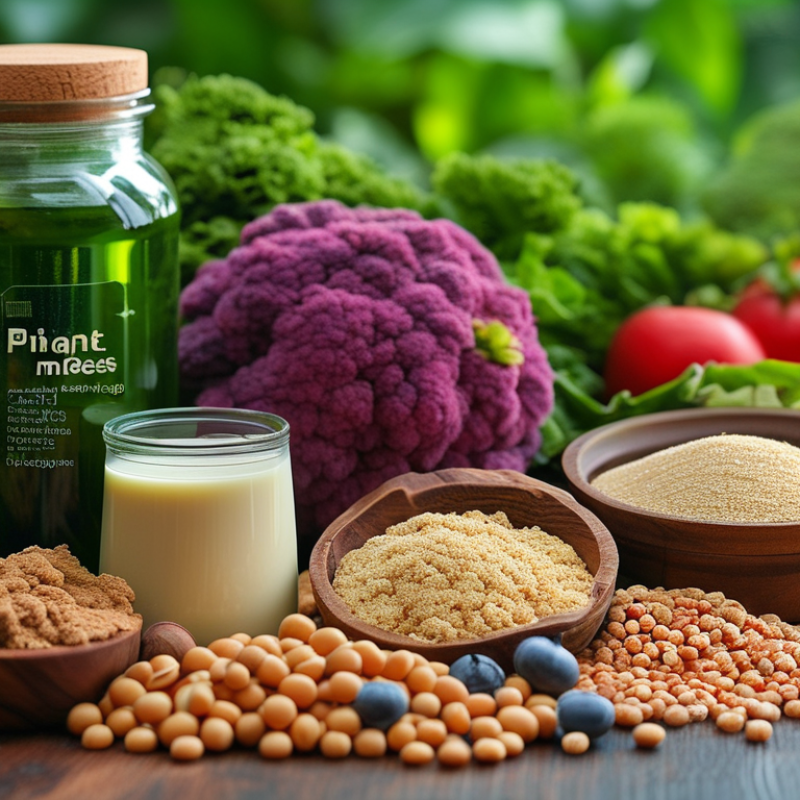
Plant-based proteins have gained immense attention for their role in enhancing the nutritional value of foods. These proteins come from various sources, such as legumes, nuts, and grains. They offer a rich profile of essential amino acids, fiber, vitamins, and minerals. For those seeking healthier options, plant-based proteins provide a versatile solution. They can be easily incorporated into numerous food applications, from smoothies to baked goods.
Adding plant-based proteins to meals can significantly boost nutrient density. For example, incorporating lentils into soups not only increases protein content but also enhances fiber. This combination promotes satiety and aids digestion. However, not all plant proteins are created equal. Some lack certain amino acids, which are crucial for bodily functions. Careful planning is needed to ensure a balanced intake.
It’s important to reflect on personal dietary needs. Individual preferences and health goals play a significant role in choosing protein sources. Some might struggle with adjusting to the taste or texture of plant-based proteins. Experimenting with various recipes can help. Finding the right balance can transform dietary habits, leading to enhanced overall health.
The rise of plant-based proteins offers numerous benefits for dietary sustainability. These proteins come from sources like legumes, nuts, and seeds. Their production typically requires fewer resources compared to animal-based options. For instance, growing legumes often uses less water and land. This shift can significantly lower greenhouse gas emissions.
Tips for incorporating plant-based proteins into your diet include exploring various bean options. Black beans and chickpeas are versatile options for many dishes. Experiment with different recipes to discover new favorites. Combining grains with legumes can also create a complete protein profile.
Transitioning to plant-based proteins isn't always easy. Some may find it challenging to obtain adequate protein. Others might notice digestive changes due to increased fiber intake. It’s important to listen to your body and adjust gradually. Increasing variety in your meals can enhance nutritional benefits. Consider consulting a nutrition expert for tailored advice.
Plant-based proteins are transforming the food manufacturing landscape, especially in reducing food waste. A report from the Food and Agriculture Organization (FAO) underscores the staggering 1.3 billion tons of food wasted annually. By integrating plant-based proteins, manufacturers can create more sustainable products and minimize waste. For example, utilizing legume-based proteins can repurpose surplus crops into nutrient-rich food items, effectively decreasing the amount discarded.
Moreover, these proteins require fewer resources for production. Research from the Journal of Cleaner Production shows that plant-based protein sources typically need 70% less water and are more efficient in land use compared to animal proteins. This efficiency is crucial as global food demand increases. Innovative applications, such as using by-products from beans and lentils, can turn an edible resource into valuable protein content, reducing waste further.
However, challenges remain. Consumers may still favor traditional meat products. This preference impacts the widespread adoption of plant-based proteins. Manufacturers need to focus on education and development of appealing alternatives. The transition is essential, but it requires time and trust. Addressing these barriers could result in a significant decrease in food waste while promoting sustainable practices in the industry.
The food industry is experiencing a shift towards plant-based proteins. This change is not just about health; economic benefits are significant. Plant-based proteins often cost less to produce than their animal counterparts. This is particularly true when considering land and water usage. By relying more on plants, companies can reduce their resource expenses.
Incorporating plant-based proteins can lead to lower production costs. Ingredients like lentils and chickpeas are abundant and affordable. These proteins require less processing than meat. Consequently, manufacturers can save on labor and energy. This shift may also appeal to eco-conscious consumers, driving sales and increasing brand loyalty. However, not all plant proteins are equal. Some may need flavor enhancements or additional processing, which can offset savings.
The transition to plant-based proteins isn't without challenges. Market acceptance varies across different regions. Some consumers are hesitant to switch from traditional proteins. There’s also a learning curve for companies to adapt recipes and processes. Addressing these issues requires time and innovation. With commitment, the potential for cost savings is substantial, transforming the industry landscape.
| Application | Type of Plant-Based Protein | Cost Savings (% Reduction) | Nutritional Benefits | Environmental Impact |
|---|---|---|---|---|
| Meat Alternatives | Soy Protein | 30% | High in protein, low in fat | Lower greenhouse gas emissions |
| Protein Shakes | Pea Protein | 25% | Rich in iron, amino acids | Sustainable water usage |
| Snack Foods | Brown Rice Protein | 20% | Gluten-free, easily digestible | Low carbon footprint |
| Dairy Alternatives | Almond Protein | 15% | Rich in vitamins and minerals | Reduces land use |
| Bakery Products | Hemp Protein | 10% | High in omega-3 and 6 fatty acids | Minimal water consumption |
Consumer interest in plant-based proteins has surged recently. Many people are shifting towards healthier, more sustainable eating habits. This trend is reshaping the meal products market. More individuals seek alternatives that not only taste good but also offer nutritional benefits.
Plant-based proteins are now highly regarded for their versatility. They can be found in various meal products, from snacks to main dishes. Consumers often appreciate options like lentils, quinoa, and pea protein. These ingredients provide essential amino acids vital for body functions. However, some still question the complete protein profile of plant sources.
The environmental impact of food choices is also a concern. Plant-based diets typically use fewer resources compared to meat. As awareness grows, many consumers consider sustainability in their purchasing decisions. Some remain uncertain about the environmental claims made. They want credible information that reflects real benefits. This ongoing dialogue between consumers and producers will shape future meal trends.
Consumer trends indicate a significant increase in the demand for plant-based proteins in meal products. The following chart illustrates the growing preference for various types of plant-based proteins over the past few years.
: Plant-based proteins come from plants, like legumes, grains, and nuts. They are a sustainable food source.
They can repurpose surplus crops and by-products into nutrient-rich foods, lessening what gets discarded.
They typically use 70% less water and less land to produce than animal proteins. This efficiency is significant.
They generally cost less to produce, saving manufacturers on resources like labor and energy.
Acceptance varies. Some consumers prefer traditional meats, making the transition to plant-based options challenging.
Many people enjoy them, but some products may need flavor enhancements to be more appealing.
They offer essential amino acids and are considered healthier options for many individuals.
Increased awareness of environmental impacts leads consumers to prefer plant-based meals, prompting manufacturers to adapt.
They need to develop appealing recipes and address consumer hesitations about flavor and nutrition.
No, this transition takes time. Trust and education are vital for both consumers and producers.
The article "Benefits of Plant-Based Proteins in Food Applications" explores various advantages associated with the incorporation of plant-based proteins in food products. One key aspect discussed is how these proteins can enhance the nutritional value of meals, providing essential amino acids and nutrients. Additionally, the impact of plant-based proteins on dietary sustainability metrics is examined, highlighting their role in promoting environmentally friendly eating habits.
Furthermore, the article addresses how these proteins can significantly reduce food waste during manufacturing processes, thereby contributing to a more efficient food industry. Economic advantages are also outlined, where the cost savings from using plant-based proteins can benefit food manufacturers. Lastly, consumer trends reflect an increasing demand for plant-based proteins in meal products, prompting the food industry to adapt to changing preferences. Overall, these points illustrate what are the benefits of vegetal proteins in food applications, showcasing their potential to enhance nutrition, sustainability, and economic efficiency in the food sector.
